Coffee and Morning Glucose: Why Drinking It First Can Backfire

Coffee and morning glucose was something I never questioned at first.
Like most people, the first thing I reached for after waking up was coffee, and on busy mornings with early client meetings, that meant drinking it in the car without eating anything, which felt efficient at the time but slowly started revealing a pattern I couldn’t ignore: my morning blood sugar wasn’t stable.
I remember those mornings clearly. Drinking strong black coffee on an empty stomach gave me a sharp mental kick at first, but it also came with a slight burning sensation in my stomach and a subtle jitter that didn’t feel like clean energy. Then, an hour or two later, while sitting across from a client, that alertness would fade into a strange mix of fatigue and restlessness, and on those same days, my glucose readings tended to move in ways I couldn’t explain.


Why Black Coffee on an Empty Stomach Causes Glucose Spikes
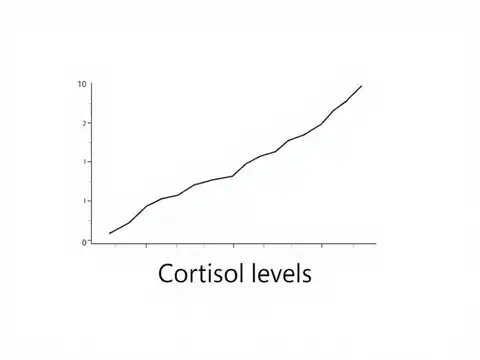
The body is already in a hormonally active state in the early morning, because before you eat anything, your body increases blood sugar naturally through cortisol and other hormones to prepare you for the day.
When you add caffeine on top of that—especially without food—you amplify that effect, since caffeine can stimulate additional glucose release and temporarily reduce insulin sensitivity, which creates a situation where your body is pushing glucose into the bloodstream without anything to balance it.
This happens not because of calories, but because of timing.
What Happened When I Drank Coffee Before Eating
At first, I didn’t notice it as a single event, but as a repeated pattern, because on mornings when I drank coffee before eating, my readings were consistently higher compared to days when I had even a small amount of food first.
One morning, I checked my glucose about 30 minutes after finishing a cup, and while the increase wasn’t extreme, it was clearly higher than my usual baseline, and more importantly, it kept happening in the same way across multiple days.
The difference wasn’t dramatic, but it was consistent, and consistency is what matters when it comes to A1C and long-term patterns.
How Caffeine and Cortisol Affect Morning Insulin Sensitivity
The part I missed for a long time was how caffeine interacts with the body’s natural morning rhythm, because cortisol is already elevated after waking, and adding caffeine on top of that creates a compounded effect that reduces insulin sensitivity at the exact time your body is already pushing glucose upward.
That combination makes your body less efficient at handling glucose, which explains why even black coffee, without sugar or calories, can still lead to noticeable changes in blood sugar levels.
Why Timing Matters More Than Coffee Itself
Most people think the solution is to stop drinking coffee.
It’s not.
The real issue is timing, because drinking coffee immediately after waking stacks it on top of peak cortisol levels, while delaying it or pairing it with food changes the entire response.
Even a small adjustment—waiting 30 to 60 minutes or eating something simple first—can reduce the intensity of the effect, because your body is no longer in that same heightened hormonal state.
What I Changed in My Daily Routine
The change I made was simple but effective. Instead of removing coffee completely, I changed the order by eating something small before drinking it, even on busy mornings, which sometimes meant having a boiled egg, a handful of nuts, or a quick bite before heading into a meeting.
On days when eating immediately wasn’t possible, I delayed coffee slightly instead of drinking it right away, and that small shift made a noticeable difference in how my body responded.
What Changed After That
The first thing that changed wasn’t a dramatic drop in numbers, but stability. My morning readings became more predictable, the spikes became less frequent, and the mid-morning crashes I used to experience started to disappear, which ultimately had a bigger impact on my overall pattern than chasing a single “perfect” reading.
The Real Issue Most People Overlook
Coffee isn’t the problem, but the combination of timing, hormones, and lack of food is what creates the issue, because drinking coffee on an empty stomach during peak hormonal activity amplifies a pattern that is easy to overlook in the moment but accumulates over time.
Once I understood that, I stopped blaming coffee itself and started focusing on when and how I was consuming it.
Final Thought
You don’t have to give up coffee to manage your blood sugar. You just need to change when and how you drink it. Once you understand how your body behaves in the morning, coffee becomes something you can work with, not something that works against you.
Disclaimer
This content is for informational purposes only and does not replace professional medical advice. Always consult a healthcare professional regarding your condition.


Comments
Post a Comment