Dawn Phenomenon vs Somogyi Effect: Why Your Fasting Blood Sugar Is High in the Morning
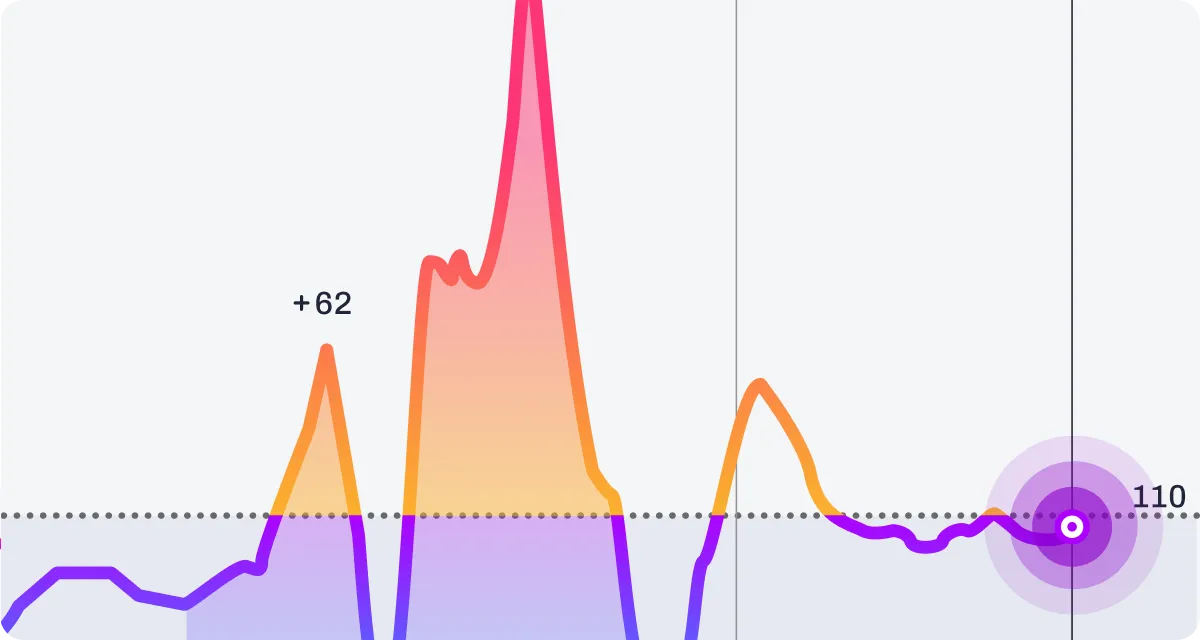
Dawn phenomenon vs Somogyi effect—this was the exact question I found myself asking when my fasting blood sugar kept coming back high every single morning, even on days when I had done everything right the night before.
I ate carefully, avoided late-night snacks, and stayed disciplined, yet every morning the number was still higher than expected, and that gap between effort and result made me question whether anything I was doing actually worked.
Why Morning Blood Sugar Is High (Not Just One Cause)
Most people assume high fasting blood sugar has a single explanation, but in reality, there are two very different mechanisms behind it: the dawn phenomenon and the Somogyi effect.
Both lead to elevated glucose levels in the morning, but the causes are completely different, and misunderstanding them often leads people to apply the wrong solution.
Dawn Phenomenon: The Most Common Cause
Dawn phenomenon is not a malfunction—it is a natural biological process.
In the early morning hours, typically between 3 a.m. and 8 a.m., your body releases hormones such as cortisol, growth hormone, and glucagon, which signal your liver to release stored glucose into the bloodstream in preparation for waking.
This becomes a problem when insulin resistance is present, because the body cannot efficiently absorb that glucose, causing fasting blood sugar levels to rise.
Higher cortisol levels, reduced insulin sensitivity, and complete inactivity during sleep create a perfect environment for elevated morning glucose.
Somogyi Effect: The Role of Nocturnal Hypoglycemia
The Somogyi effect works differently.
It begins with hypoglycemia during the night, often caused by excessive insulin, undereating, or imbalanced evening patterns.
In response, the body releases stress hormones to correct the low blood sugar, which can overshoot and result in high glucose levels in the morning.
In simple terms, it is a rebound mechanism: low blood sugar triggers a hormonal response that leads to high blood sugar.
However, despite being widely discussed, the Somogyi effect is relatively uncommon compared to the dawn phenomenon in real-world cases.
The Key Difference That Changes Everything
Understanding the difference between these two conditions is critical.
- Dawn phenomenon: no nighttime drop; glucose rises naturally due to hormonal activity
- Somogyi effect: nighttime low followed by a rebound increase
Checking glucose levels around 2–3 a.m. can provide a clear answer and prevent misdiagnosis.
The Danger of Misdiagnosis: Why Treating the Somogyi Effect Made My Glucose Worse
But things didn’t improve—they got worse.
I remember one particular morning after intentionally skipping dinner the night before, thinking I was preventing a rebound. Sitting in my car on the way to a client meeting, my blood sugar was still high, but my body felt completely drained, and I was dealing with intense brain fog that made it difficult to maintain a professional conversation.
That was the moment I realized I had been solving the wrong problem.
My CGM Data Proof: What Actually Happened Overnight
Instead of guessing, I started measuring consistently.
I checked my glucose with finger-prick tests at different times, often in my car before meetings, and eventually used a continuous glucose monitor (CGM) to observe overnight patterns.
The results were clear.
There was no hypoglycemia and no rebound.
Instead, my glucose levels gradually increased before I even woke up, confirming that the issue was not a nighttime crash, but a hormonally driven rise.
How Insulin Resistance Amplifies the Dawn Phenomenon
Not everyone experiences the dawn phenomenon in the same way.
Some people see only a mild increase, while others experience significant spikes, and the difference is largely driven by insulin resistance.
When insulin sensitivity is intact, the body can manage the glucose released in the early morning. However, when insulin resistance is present, that glucose remains elevated, leading to persistently high fasting blood sugar.
What Actually Helped Me Lower My Morning Blood Sugar
I didn’t fix this by restricting food further, but by adjusting patterns.
1. Adjusting dinner timing
Eating earlier reduced overnight glucose accumulation and improved fasting levels.
2. Adding light movement after meals
Even a short walk before getting back into the car helped stabilize glucose for the next morning.
3. Improving sleep quality
Better sleep reduced cortisol fluctuations and improved insulin response.
4. Managing overall patterns
Consistency in timing, meals, and activity created stability that no extreme diet could achieve.
Why Most People Get This Wrong
Most people assume high blood sugar must come from food, so they respond by cutting carbohydrates, skipping meals entirely, or severely restricting their intake, but this approach often fails because it targets the wrong variable.
The issue isn’t always what you ate, but rather what your body is doing while you sleep.
The Real Insight
Dawn phenomenon and Somogyi effect lead to the same result, but they are fundamentally different problems, because one is a natural hormonal process, while the other is a reactive response to an imbalance, and understanding that distinction is what allows you to choose the correct strategy.
Final Thought
Fasting blood sugar is not just about discipline—it is about understanding your physiology, and once you understand what your body is doing overnight, you stop guessing and start making precise adjustments, because blood sugar is not controlled by isolated actions, but by repeated patterns over time.
Disclaimer
This content is for informational purposes only and does not constitute medical advice. Always consult a qualified healthcare professional for personalized guidance.


Comments
Post a Comment